Gartner: 40% of AI Agent Projects Will Be Cancelled by 2027
Only 17% of companies have fully deployed AI agents and Gartner expects 40% of agentic AI projects to be scrapped by 2027. Here's what the failed ones have in common.

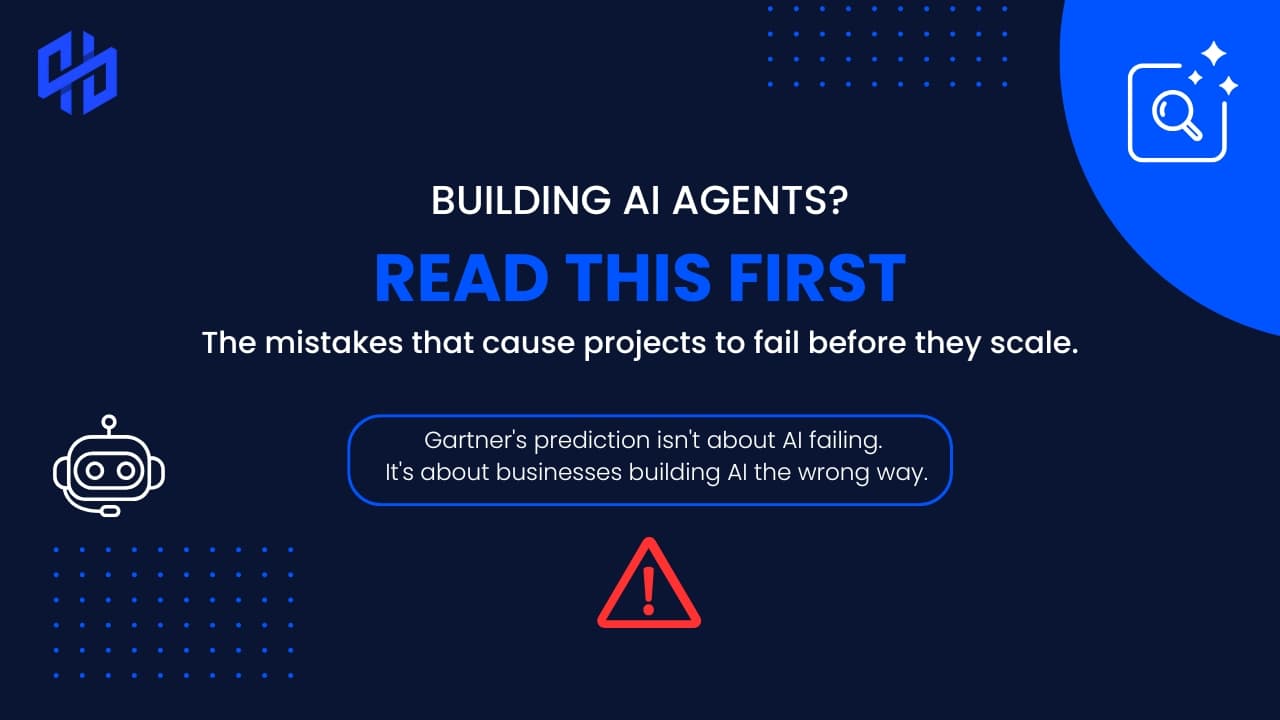
Gartner put a number on it in July: 40% of agentic AI projects will be cancelled by the end of 2027. Not paused, not scaled back. Cancelled. And their 2026 CIO survey found only 17% of organizations have fully deployed an AI agent anywhere in production, even though more than 60% say they'll get there within two years.
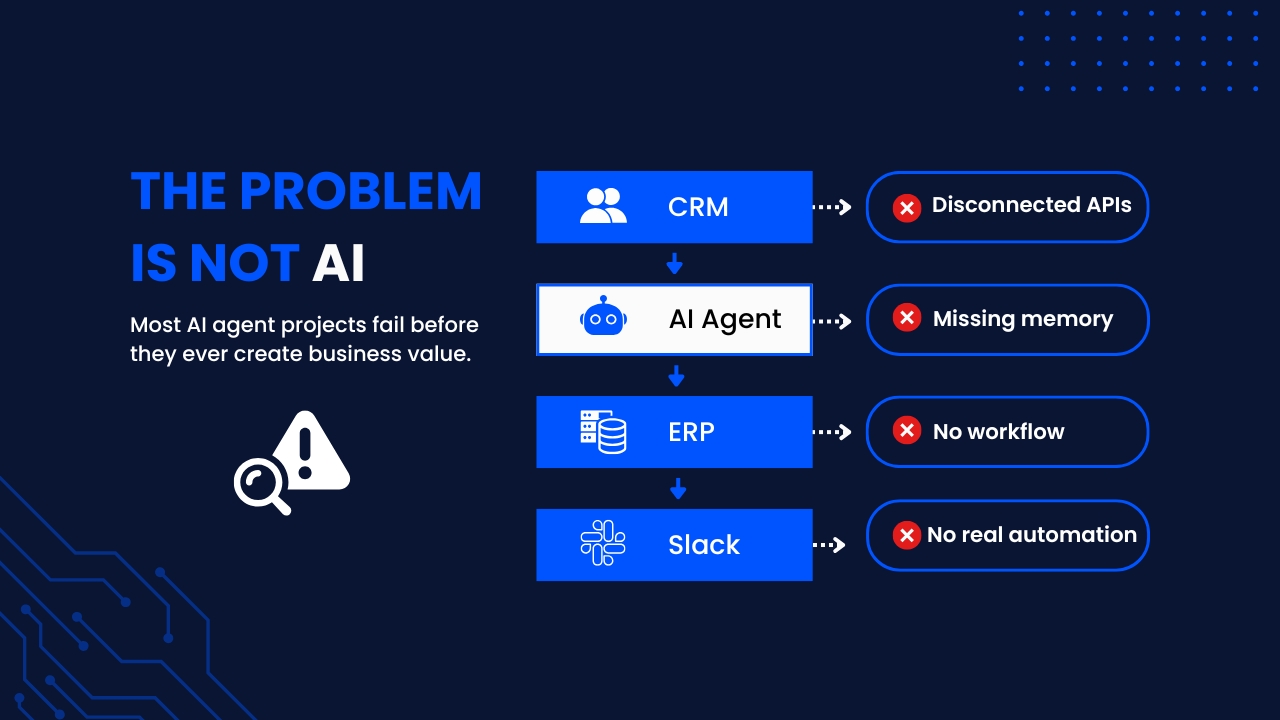
That gap between "we're building this" and "this is actually running" is where the money goes. Gartner estimates $234 billion in enterprise software spending is now at risk because of how agent projects are being run. We've built agent systems for clients since 2024, and the projects that got cancelled all failed for the same three reasons. None of them are "the model wasn't smart enough."
The Real Answer, Up Front
Most AI agent projects don't fail because the agent makes mistakes. They fail because nobody scoped what the agent is allowed to touch, nobody built a way to catch it when it's wrong, and nobody could explain to finance what the agent actually saved. Fix those three things before you fix the prompt.
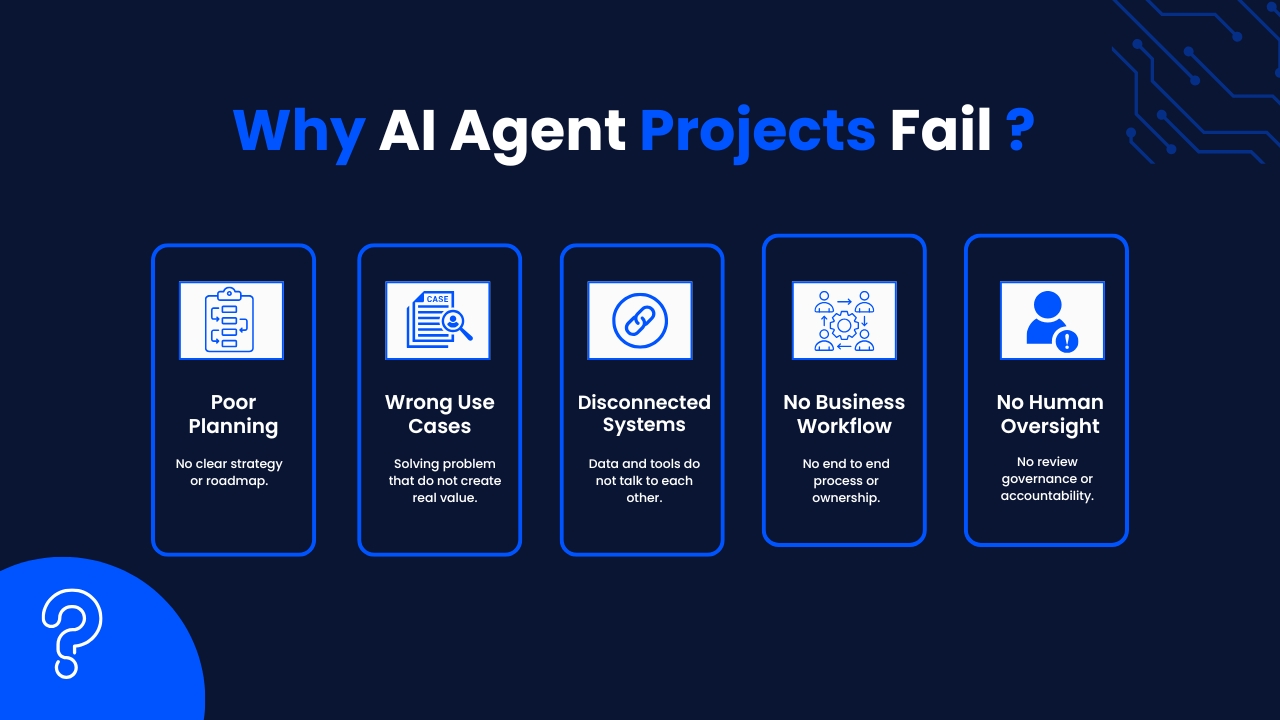
Reason One: The Agent's Job Was Never Actually Defined
We got called into a project last year where the brief was "an agent that handles customer support." Not "an agent that resets passwords and looks up order status." Just "handles customer support." Six weeks in, the team had built something that could technically answer any question and confidently answered several of them wrong, because nobody had drawn a line around what it was for.
Compare that to a claims-processing agent we shipped for an insurance client. Its job was three things: pull the policy, check it against four eligibility rules, and either approve or flag for a human. That's it. It didn't try to explain coverage nuances or negotiate settlements. Narrow scope meant we could test it against every historical claim from the past two years before it touched a real one.
The pattern in the failed projects is always the same: the agent's responsibility grew during the build because "it can technically do more" felt like a reason to let it. It isn't. Scope the job like you'd scope a junior hire's first month, not their five-year plan.
Reason Two: No One Built the Undo Button
Ushur launched its Agentic Platform in July with agents that update insurance coverage and advance claims end to end. That's the kind of system Gartner is worried about, because "end to end" means the agent is now making changes nobody reviews before they land.
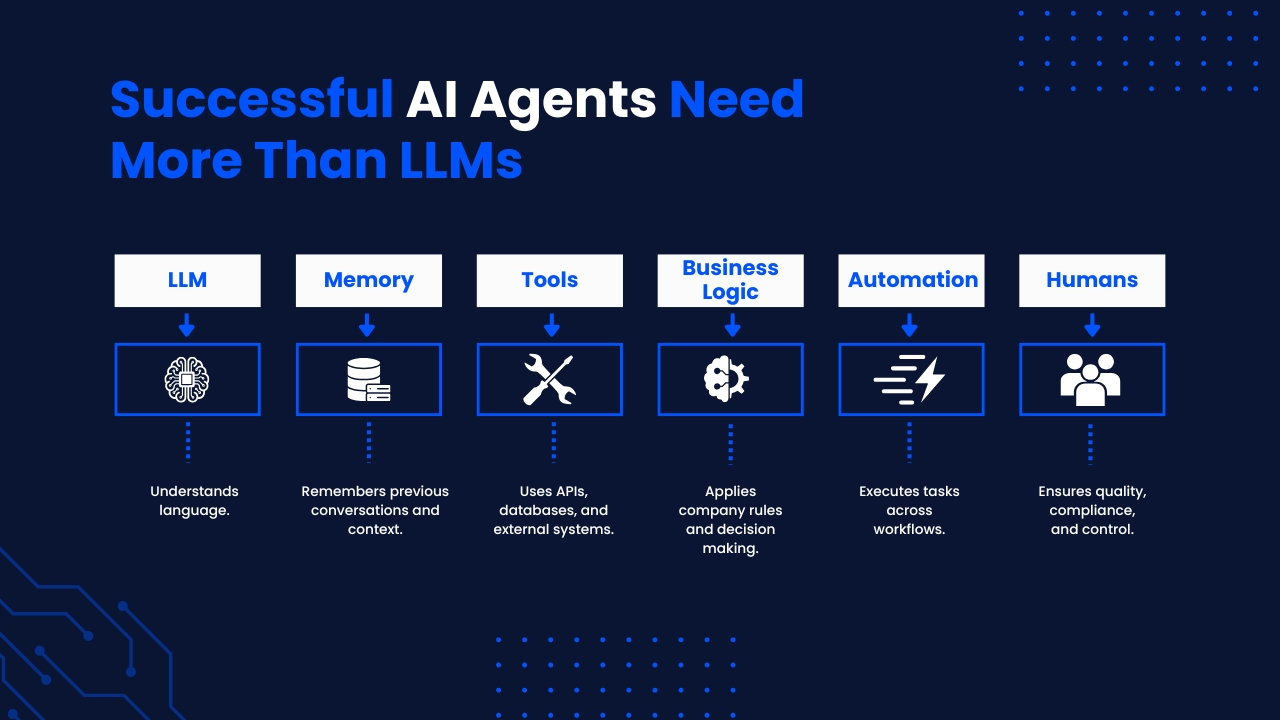
The design pattern that's actually working in 2026, and the one Smashing Magazine and others have been writing about all year, is what people are calling the autonomy dial. The agent doesn't get a single on/off switch for how much it can do. It gets a spectrum, and the spectrum is set per action, not per agent.
For a document-processing agent we built for a logistics client, the dial looked like this:
- Auto-approve: extracting line items from an invoice. Low stakes, high volume, easy to spot-check.
- Approve with one click: matching an invoice to a PO number. Medium stakes. A human sees the match before it posts.
- Full review required: anything over $50,000 or any vendor not seen before. High stakes, slow path on purpose.
That third tier is the one teams skip because it feels like it defeats the point of automation. It doesn't. It's the difference between an agent that saves you time and an agent that quietly approves a $200,000 duplicate payment because the vendor name had a trailing space in it. That happened to a company we talked to in Q1. Not us, but close enough that we changed how we scope every project since.
Show the plan before the agent acts, let the human set the autonomy level per action type, and make the reasoning visible enough that someone can catch it fast when it's wrong. Those three habits are the ones that separate agents that survive their first audit from the ones that get pulled.
Reason Three: Nobody Could Point to the Number
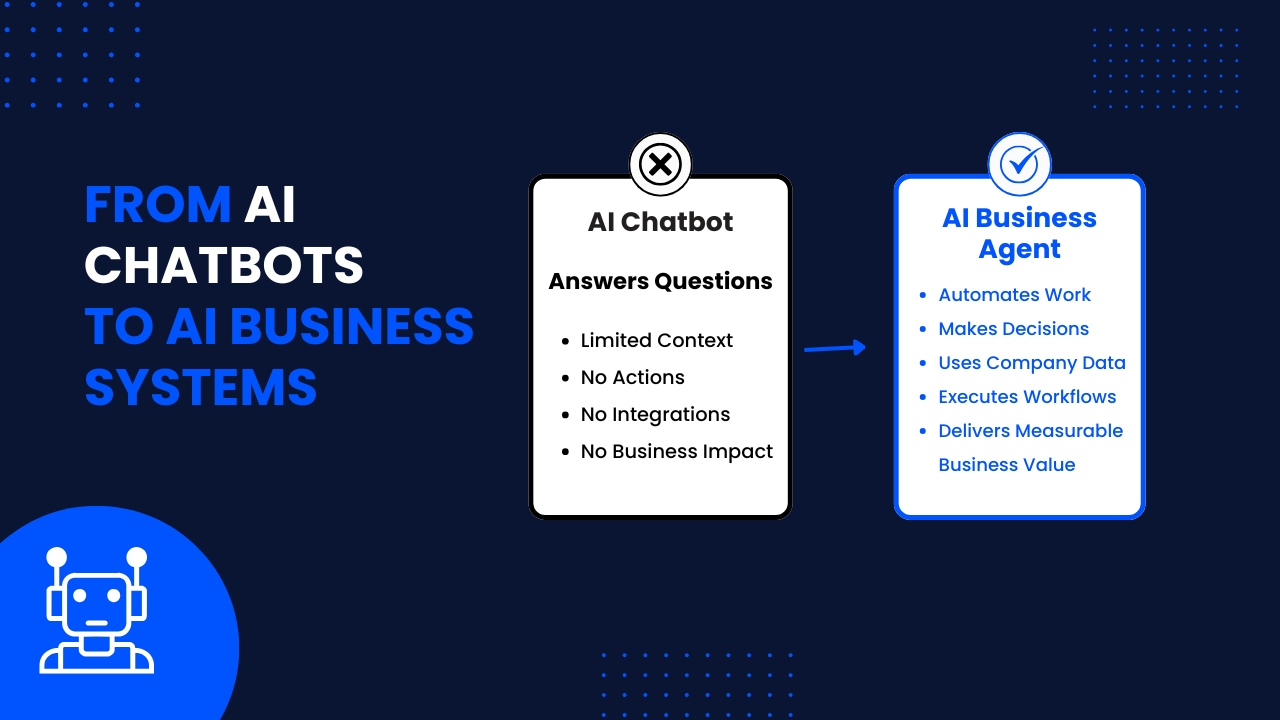
This is the one that actually gets projects cancelled, not the technical failures. A CFO doesn't cancel a project because the agent occasionally hallucinates a shipping date. They cancel it because nobody can tell them what it's worth.
Voice AI is the clearest example of this working correctly. By mid-2026, AI phone agents handle close to 40% of Tier-1 customer calls at large enterprises, and the ones that stuck around all had one thing in common from day one: a dashboard tracking cost per resolved call versus cost per human-handled call, updated weekly, sitting in front of the person who owns the budget. Not a slide deck at kickoff. A live number.
We build that dashboard before we build the agent's second workflow, not after. If a client can't tell us what "success" looks like in a number within the first two weeks, we stop and go figure that out first, because otherwise we're building something that gets killed in the Q3 budget review for reasons that have nothing to do with whether it works.
The Governance Gap Nobody Budgeted For
Cognizant launched a dedicated EMEA AI unit on July 28, built specifically to close what they're calling the enterprise governance gap on agent deployments. That's a big consulting firm putting headcount behind a problem most internal teams are still treating as an afterthought.
The governance question isn't abstract. It's things like: who gets paged when the agent takes an action outside its normal pattern at 2am? Who's on the hook if the agent's document-extraction pipeline misreads a number and it flows into a report a client sees? Does the audit log actually show the agent's reasoning, or just its final action? Teams that answer those questions before launch tend to survive their first incident. Teams that answer them after tend to be the ones cancelling the project by Q3.
We build a lightweight version of this for every agent project now, even small ones: a log of every action the agent takes above the auto-approve tier, who reviewed it, and how long review took. It's not exciting infrastructure. It's the thing that turns "the agent did something weird" into a five-minute investigation instead of a week of finger-pointing, and it's usually the first thing a CFO or a compliance lead asks about once the project is real enough to get budget scrutiny.
What This Means If You're Starting an Agent Project Now
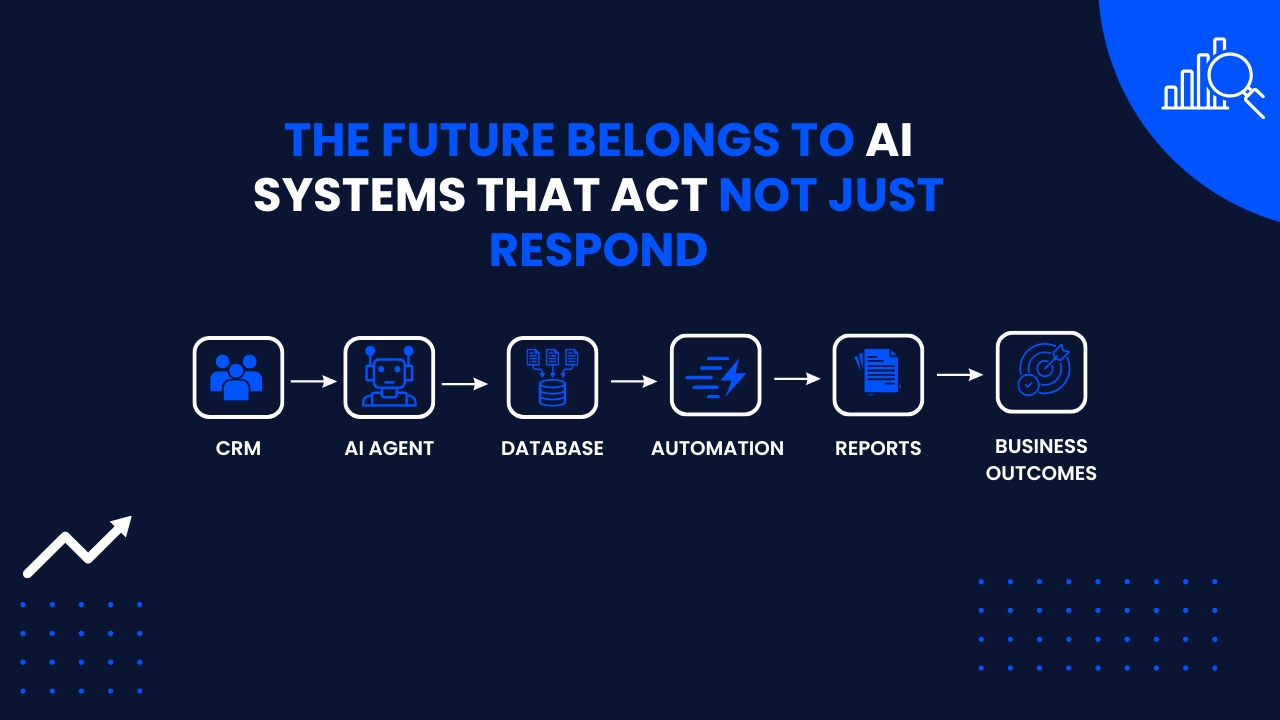
Gartner's other number is worth sitting with: 40% of enterprise applications are expected to have embedded agents by the end of this year, up from under 5% in 2025. That's not a prediction anymore, that's a rollout schedule most companies are already on whether they planned it or not.
If you're one of them, the checklist that actually matters isn't about model selection:
- Write down the exact actions the agent can take, not the department it "helps." If you can't list them, you haven't scoped it.
- Assign an autonomy tier to each action before you write a line of code. Auto, one-click approve, or full review. No action gets skipped to "we'll figure it out later."
- Build the ROI dashboard before the second feature, not after the first complaint from finance.
- Run it against 12 months of historical cases before it touches a live one. If you don't have 12 months of clean data, that's the actual first project.
None of that is exciting. It's also why the agents we've shipped are still running a year later, while the ones built to impress a board deck mostly aren't.
We've done both kinds of builds now, including a few of our own early ones that we scoped too loosely. The boring version wins every time.
Building an agent that needs to survive its first budget review, not just its first demo? Book a free strategy call and we'll walk through the scope before you write a single prompt. Or see how we've approached this on past builds in our work.